casino365 valid show: pickup, meld and declaration
A messy hand and a finished show can look similar if every packet is face down. The difference is a pure sequence. Before you tap declare, the groups either meet that test or they do not.
A messy hand and a finished show can look similar if every packet is face down. The difference is a pure sequence. Before you tap declare, the groups either meet that test or they do not.

You hold 13 cards. You have runs that almost work. One group uses a wild card as the only sequence. That is the usual trap. It looks finished because the ranks feel consecutive in your head. The table still asks for one pure sequence that uses no wild substitute.
Qualification: house variants exist. This desk can confirm the common 13-card requirement. It cannot confirm that casino365 never prints an exception. If the product writes a different first rule, the product wins.

Each turn you take one card, then you discard one card. From stock, the card is private. From discard, everyone saw it. Taking a discard to finish a set is legal. Taking a discard that also tells the next player your suit plan is a later skill question.
This note only needs the legal motion: one in, one out, groups updated, clock still running. If the interface hides the source of the card, that is a usability defect, not a rule change.

Evidence order matters. First build a pure sequence. Example used as a teaching prop: hearts A-2-3 as a pure run, plus two other legal groups that complete 13 cards. Faces stay conceptual. This desk will not claim that casino365 art matches that example.
Then complete impure sequences or sets. A set is three or four of a rank. A fourth card of a rank is optional on many tables and forbidden as a five-card pile. Again, the product sheet wins if it prints a variant.
If you cannot point to the pure sequence with a finger, you are not ready to declare. Rearrange the list until that group is obvious.
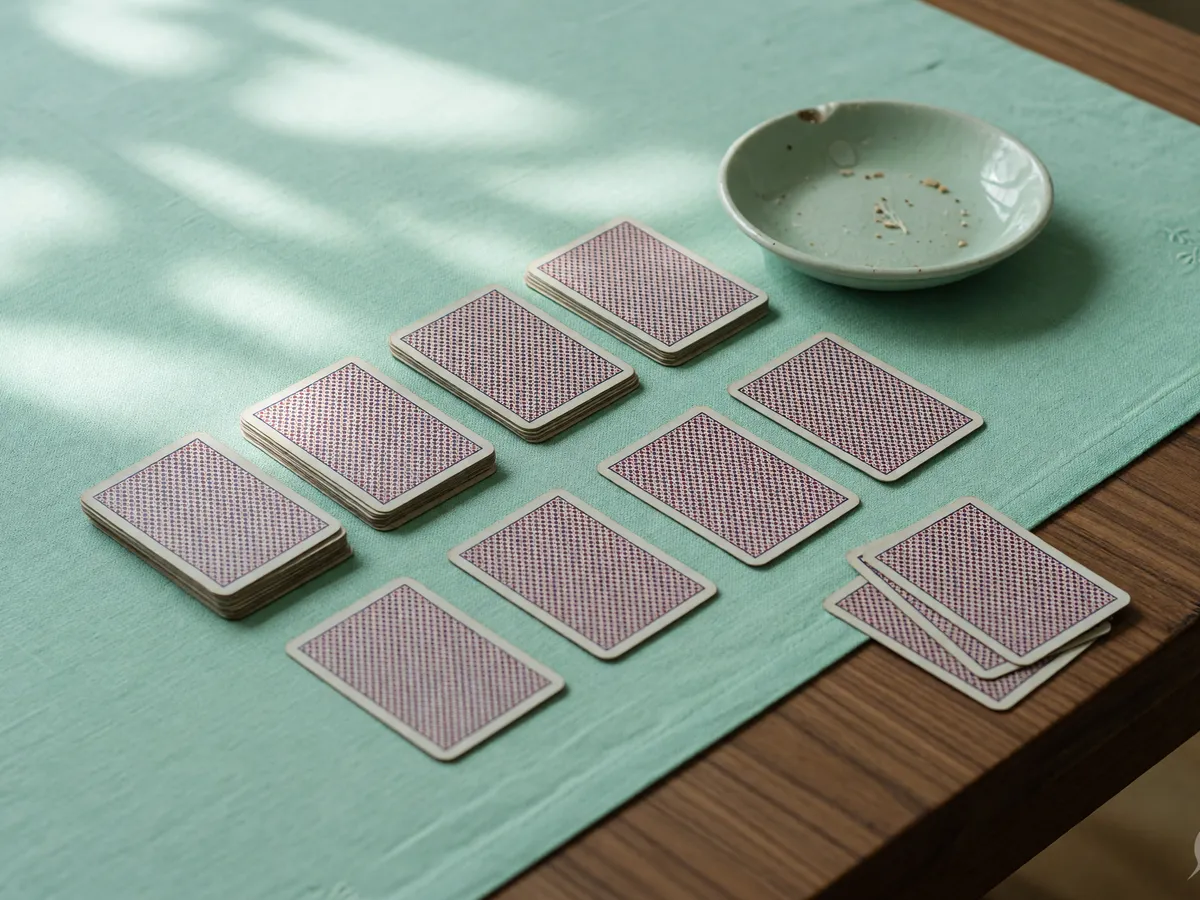
Declaration is a statement that your 13 cards form legal groups including one pure sequence. After you tap, the table either accepts the show or rejects it. A confirm step, if present, is the last chance to catch a mis-grouped list.
Aftermath of a reject: you still sit in the hand unless the house drops you. Check the pure sequence before you blame the client. Aftermath of an accept: scoring follows the format you joined, which is a format question, not a rules question.
Teaching counter-example: four grouped piles that look neat, none of them a same-suit run without a wild card. That layout fails the first test. Adding more wild cards does not repair it.
If your last discard was meant to signal a close, and the show then fails, you have told the table you were ready while remaining illegal. That is why the confirm step matters.
Printed drop values, printed invalid-show penalties, printed joker rules, printed printed-joker versus wild-joker handling, and any casino365-only sequence exception. Those belong on an in-product sheet. Until they appear, this note stays on the common 13-card path.
On a common 13-card table you need at least one pure sequence: consecutive same-suit cards with no wild substitute.
No. A wild card can help an impure sequence or a set. It does not remove the pure-sequence requirement on standard Indian rummy tables.
The table rejects the declaration. The cost, if any, is a house number. This desk does not invent that number.
If you can name your pure sequence and you have read the age gate, PLAY NOW uses /Login/playnow.
PLAY NOWA legal show that you cannot assemble before the clock is not a strategy failure. It is a list-and-timer failure. Take that question to lists, timers and support rather than rushing an illegal declare.
Deal a closed packet of 13. Force yourself to isolate a pure sequence before you touch any set. If you cannot, pick up and discard once, then try again. Stop when the pure group is obvious at a glance. That loop is the whole skill this note owns.
Declaration is a statement. A confirm tap restates the groups. Without it, a mis-ordered list becomes an invalid show. That is why the rules desk points at usability when the clock is short.
Four neat piles, none a same-suit run without a wild card. That layout fails. Adding wild cards does not repair the first test. Say the failing group out loud.
Practise isolation of a pure sequence at home. Do not photograph other people’s live cards. Faces in our photographs stay down so a teaching layout cannot be sold as a screenshot.
After you can point at a pure sequence. The crop is a reminder, not a substitute for the first test.
People declare when the clock is red because the list is unread. That is a usability collision wearing a rules costume. Isolate the pure sequence before the last five seconds. If you cannot, you needed a longer practise loop, not a braver tap.
Take from stock when the upcard would complete a heart run an opponent already claimed twice. Take the upcard when it finishes your own pure sequence and does not feed that run. Say the reason before your thumb moves. If you cannot say it, you are guessing, which is legal and not a method.
Keep that observation inside the how-to-play job. If you need another job, leave and pick it by name.
Set a kitchen timer. Isolate a pure sequence from a home deck before it rings. Fail three times and you are not ready for a short digital clock. The failure is preparation.
Keep that observation inside the how-to-play job. If you need another job, leave and pick it by name.
A second tap that restates groups is the last filter. Missing confirm makes the practise loop mandatory.
Keep that observation inside the how-to-play job. If you need another job, leave and pick it by name.
No pure sequence means reject. Check the first test before you blame the client.
Keep that observation inside the how-to-play job. If you need another job, leave and pick it by name.
A wild card can finish an impure run. It cannot replace the first requirement on a common 13-card table.
Keep that observation inside the how-to-play job. If you need another job, leave and pick it by name.
If casino365 prints a different first rule, follow the sheet. Until then the common path is the honest practise.
Keep that observation inside the how-to-play job. If you need another job, leave and pick it by name.
Other people’s cards are not your notes. Use a closed home deck.
Keep that observation inside the how-to-play job. If you need another job, leave and pick it by name.
Scoring is a format job. Leave this note and name the ending on the format board.
Keep that observation inside the how-to-play job. If you need another job, leave and pick it by name.
A home deck, a twenty-second timer and a spoken pure sequence are the whole kit. If the digital clock is shorter than your spoken isolation, you are not ready. Come back after three clean isolations, not after a braver tap.
If that sentence is not the decision you needed, you opened the wrong door. Use the topic list and pick the job by name: format, declaration, skill, usability, corridor, limits, hop or dated correction.
Unpublished figures stay blank. Blank is a fact. Filling a blank to feel finished is how welcome amounts appear. They will not appear here.
Age and place still sit in front of any seat. A hop is still a hop. A ticket is still a ticket. Those three remain true after you leave the how-to-play note.
Come back when a dated note names a primary source, or when your notebook shows an inspectable fact such as a printed drop, a visible session lock or a kept ticket number.
Until then, the how-to-play job is either done or it is waiting. Waiting needs a named missing fact. Done needs a next action that is not a recap.
A home deck, a twenty-second timer and a spoken pure sequence are the whole kit. If the digital clock is shorter than your spoken isolation, you are not ready. Come back after three clean isolations, not after a braver tap. If you cannot repeat that line without adding a number, you are ready to leave.