Most people pick a rummy format by the prize sentence on a banner. The useful split is how an unfinished hand is scored: running points, a closed deal count, or a pool target. Those three endings can start from the same 13 cards.
Three stations on one cloth. The props mark scoring style, not a published prize table.
One hand, three endings
Deal 13 cards. Build toward a pure sequence plus legal groups. At some point you either declare, drop, or get caught with deadwood. The format only decides what that leftover costs.
In Points, leftover face values add to a running total. In Deals, the same leftover is stored against a fixed number of deals, then the sitting closes. In Pool, leftover pushes you toward a target such as 101 or 201, language this desk marks as generic unless casino365 prints the number.
If you choose by jackpot wording, you skip the mechanic that will actually end your night. That is the usual mis-pick.
Points: unfinished cards keep counting
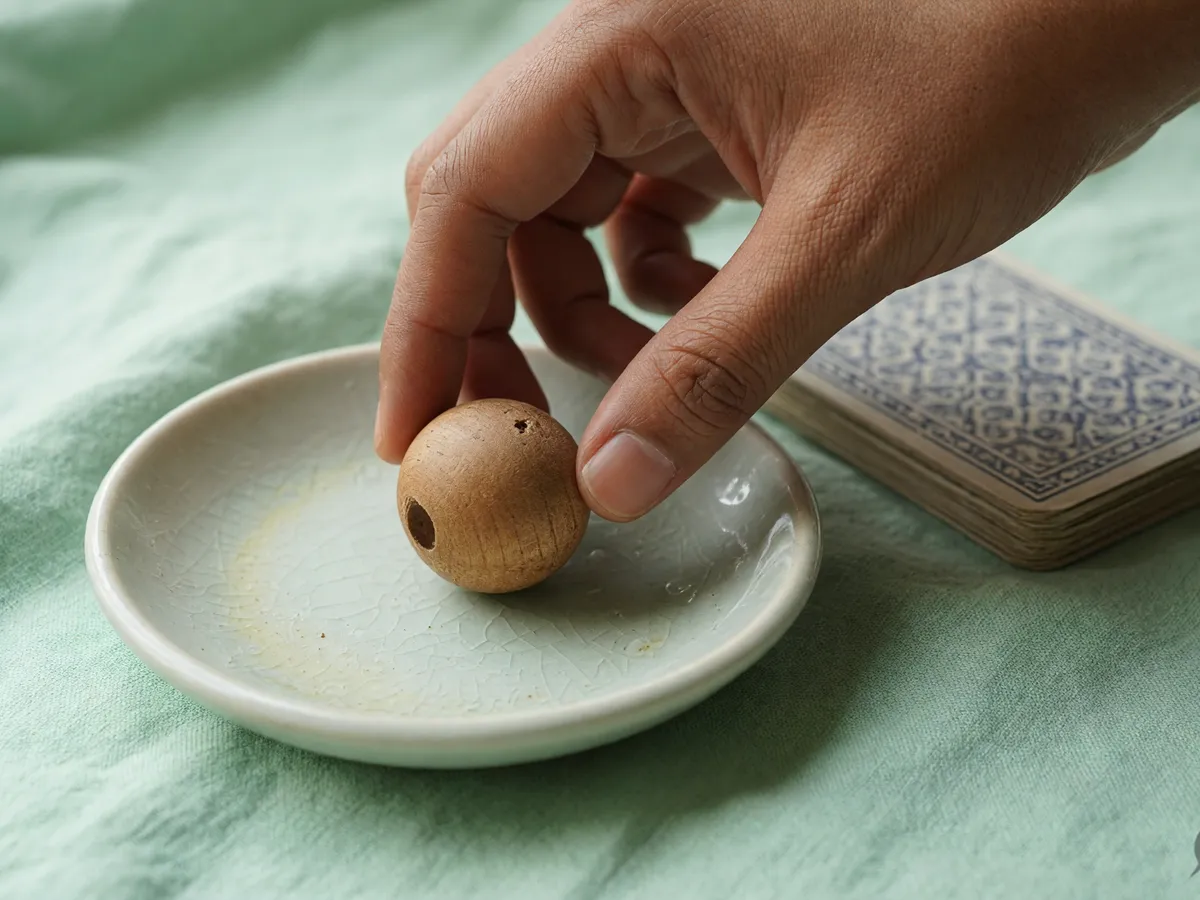
A bead in a dish is a teaching stand-in for a running Points total. It is not a casino365 score widget.
Points fits a sitting you can leave. After a few hands you know whether the clock and the drop cost still make sense. A first drop, a middle drop and a full count are different prices on many Indian tables. This desk will not invent those prices for casino365.
The skill pressure is the invalid show. If you declare without a pure sequence, some tables charge a heavy penalty. That penalty is a published house number only when you can read it on the table. Until then, treat it as unknown and practise the legal show on the rules desk.
Fit test: you want a short clock, you can stop after a bad hand, and you can read every leftover card before you tap declare. If the list is unreadable, Points becomes a tap tax, not a format choice.
Deals: the sitting has a counted close
Opposite packets mark a counted deal, not a winner portrait.
Deals asks you to finish a published number of hands. Early luck does not evict you. That is the point. You trade the right to walk away after one disaster for a closed count you can plan around.
A two-deal sitting and a six-deal sitting are different products. This desk has no casino365 deal-count sheet. If the join screen does not print the count, do not infer it from a marketing line.
Fit test: you have time to finish the printed count, and you accept that a strong first deal does not cash you out. If you need an exit after one hand, Points is the closer match.
Pool: a target absorbs a few heavy hands
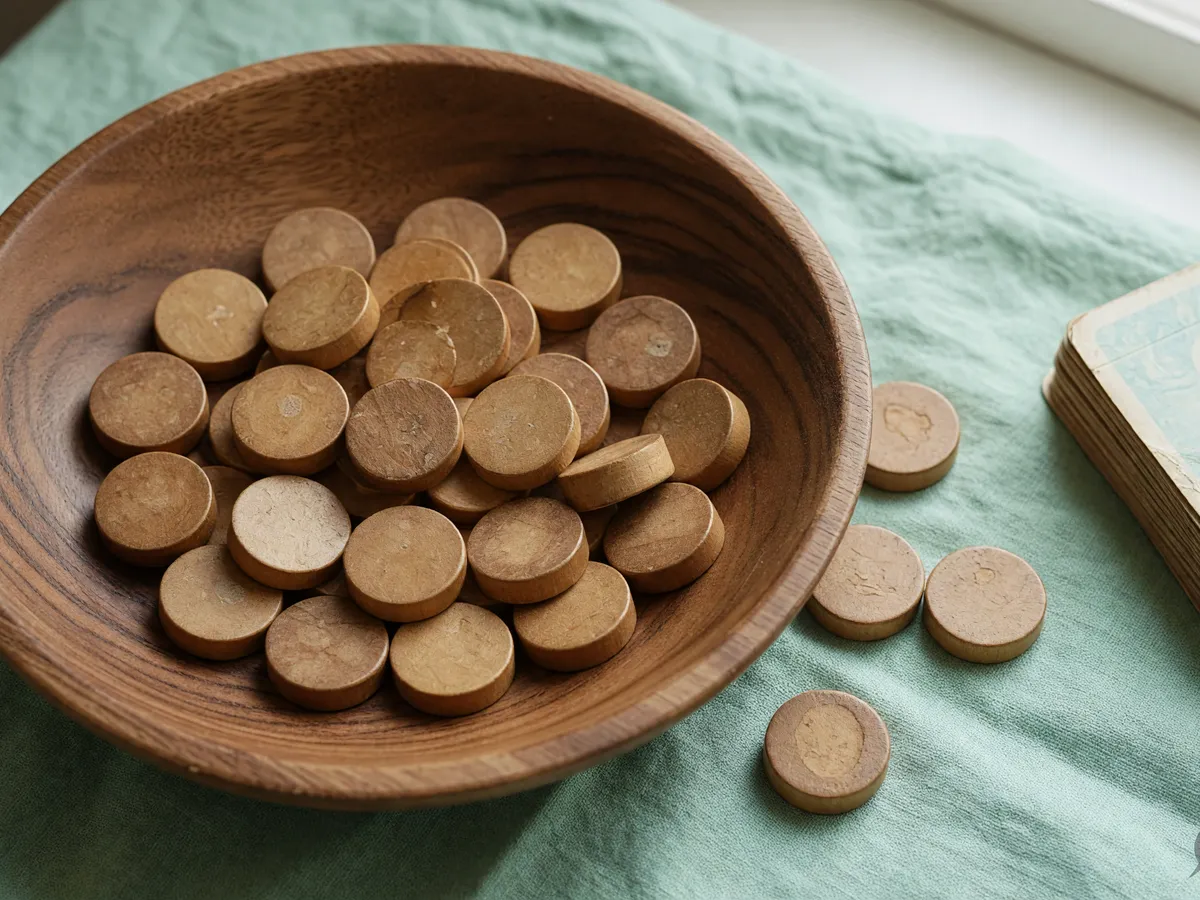
Tokens returning to a bowl stand in for pool progress. They are not currency and not a jackpot pile.
Pool talk in India often uses 101 and 201. Those figures are base-rate language, not evidence that casino365 uses either target. A pool sitting lasts until players hit the printed number. A heavy hand hurts, then the table continues.
Because the sitting is longer, session controls matter more. A pool that runs past your planned clock is a limits problem, not a format bug. Set the clock before you join.
Fit test: you can stay for a longer arc, you understand that one bad show does not always end the night, and you have already decided a stop that does not depend on “getting even.”
Base rate: prize language is the usual error
Readers compare formats as if they were prize shelves. The mechanic that differs is drop cost, deal count and target. Prize sentences change with marketing. Scoring bounds change only when the table prints a new sheet.
If two joins look identical except for a larger advertised prize, you still have not compared formats. Open the rule line for drop, deals and target. If those lines are missing, the join is unpublished, not generous.
How to read a join screen without inventing numbers
Look for three printed facts: drop or leave cost, number of deals, and pool target. If a line is an adjective instead of a number, treat the fact as unpublished. “Fast points” is not a drop value. “Big pool” is not 201.
Then look for the turn clock. A format can be the right scoring ending and still be unusable if you cannot group a show before the timer. That check is usability, and it still belongs in the join decision.
Last, look for the age and place reminder. A join that hides the adult rule is not more convenient. It is less complete.
A worked comparison without prizes
Same 13 cards, same missing pure sequence, three endings. In Points you may pay a published invalid-show cost and start another short hand, or you may leave. In Deals that cost is stored and you still owe the remaining deals. In Pool the same cost moves you toward a target and the sitting continues until someone hits it.
None of those sentences require a rupee figure. The decision is time, exit rights and how a mistake is stored. If you cannot state those three in plain words, you are not ready to join.
When to wait
Wait if you cannot see drop, deals or target. Wait if you are using prize language as a proxy. Wait if you have not set a session stop for a pool. Wait if you have not walked a legal show. The table will still be there after those checks.
Refuse a join that labels itself Pool but prints no target, Deals but prints no count, or Points but hides every drop exit. Labels without bounds are atmosphere. Atmosphere is not a scoring ending.
Refuse a join that uses prize adjectives in place of those three facts. A larger advertised prize does not tell you how leftover kings are stored.
Refuse a join that you cannot leave when you only have twenty minutes and the format is a long pool. Time is part of fit.
How to write the ending in one sentence
Points: leftover cards add to a running total and I may leave after a hand if a drop rule is printed. Deals: I will finish a printed number of hands. Pool: leftover cards move me toward a printed target and the sitting continues.
If you cannot speak one of those three sentences, you are not choosing a format. You are choosing a banner.
Where numbers may appear later
On a join screen. In a dated note. Never in a guess on this desk. 101 and 201 remain club language until printed.
After you name the ending
Walk a legal show. Then judge the list. Then set a stop. Then, if age and place allow, use the disclosed hop. Format is only the first door.
One more bound
A reader who compares only prize sentences will pick the louder join. The louder join can still be the worse ending: a pool with no printed target and no session stop. Write the ending first. The prize sentence can wait until a primary sheet exists, which it does not today.
If two friends argue 101 versus 201, treat the argument as club talk. Ask whether either number is on the join screen. If not, both numbers are unpublished for casino365 on this desk.